

















Like many countries in Asia, Vietnam has long-standing cultural traditions that are carefully kept and held in high regard. Funerals and the đám giỗ, the gathering a family holds on the anniversary of a death, are among the most important observances for Vietnamese people. A đám giỗ is an occasion to remember and give thanks to the person who has died, and it also carries a good deal of meaning in Vietnamese spiritual life and thinking. Besides the tray of food offered to the ancestors and the flowers for the anniversary, what other customs are involved? This article looks at what the day means in Vietnamese culture, past and present.
See also: Funeral wreaths and sympathy flowers
What the anniversary custom has meant since early times
In observing a death anniversary, Vietnamese families use carefully kept rituals to show how much they value and remember the person who has died. It is a time to look back and understand the family’s origins and traditions better, and also a way of showing respect and gratitude to grandparents and to the ancestors of the wider family line.
The day also brings people together. It creates a warm setting in which the family is reunited, kinship is strengthened and its members grow closer. Through the offerings, people express their sincerity and their wishes for health, happiness and peace, for those who have died and for the whole family.
Keeping up the anniversary helps to pass on long-held traditional values and keep them firm. It builds strong ties and a sense of shared feeling, and adds to the nation’s culture from one generation to the next.
See also: Flower baskets for a death anniversary or for paying respects
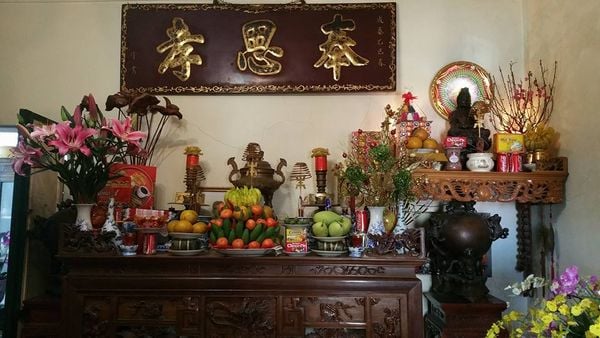
The old Vietnamese custom of making offerings on the anniversary of a death carries deep cultural and spiritual value
Rites and customs commonly seen around a death anniversary
In Vietnam, most of the rites and customs of remembrance mix religious belief with family tradition. The most common forms are these:
Cúng thất (the Buddhist “seventh-day” offerings): this is regarded as an important rite in Buddhism, an expression of reverence and sincerity towards the person who has died. Relatives place offerings such as vegetarian food, fruit and candles on the altar, usually together with sitting in meditation and praying for the soul of the deceased.
The 49th-day offering: this can be seen as an important stage in remembering the dead. According to belief, the soul of the deceased departs after 49 days. On this occasion the family usually holds an offering ceremony with prayers for the soul, so that it may rest and pass on to a more peaceful and tranquil world.
The 100th-day offering: the offering after 100 days carries no less meaning. It shows patience and sincerity in remembering and praying for the person who has died, a long while after the death. The family usually holds a ceremony with prayers, centred on honouring the deceased and asking that the soul may be at peace and soon be reborn, in the Buddhist Pure Land or in a new life.
Giỗ đầu (the first anniversary): the first anniversary is an important beginning in showing particular gratitude and reverence to the person who has died. On this day relatives usually offer fresh flowers, fruit, incense and votive paper money, and light candles to pray that peace and good things will come to the spirit of the deceased.
Giỗ hết tang (the end-of-mourning anniversary, lễ Đại Tường): the anniversary that ends mourning is also known among ordinary people as lễ Đại Tường or lễ đoạn tang (“the rite of ending mourning”). It is held on the second anniversary of the death. By tradition, two to three months after this anniversary the relatives hold lễ trừ phục, also called lễ đàm tế, the rite of putting off mourning dress, which truly closes the period of mourning by burning all the mourning clothes. Once the offering is complete, it is not only the clothes that are burned but also the old linh vị (the spirit tablet bearing the name of the deceased) and the objects and pictures used during mourning, so that a new tablet and the objects of worship can be placed on the main family altar.
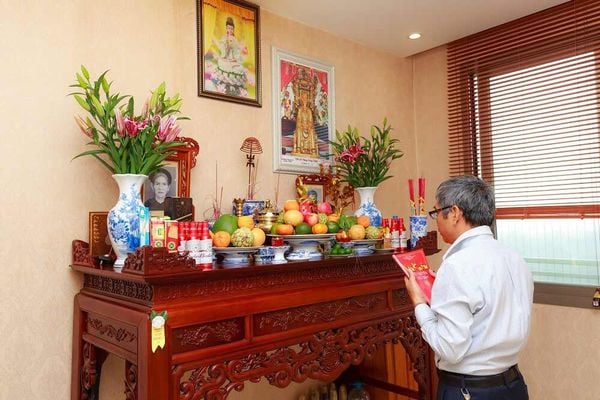
Rites commonly seen at a death anniversary
Things traditionally avoided when making anniversary offerings
For anyone taking part in a death anniversary, knowing and observing what is avoided is a basic way of showing respect for Vietnamese cultural and spiritual tradition. These are the rules and beliefs most often mentioned:
Not tasting the food first: tasting a dish before it has been placed on the altar and incense has been lit is regarded as an offence against the ancestors. Families therefore take care in preparing and laying out the food, so as not to take away from the sacred character of the rite.
Choice of dishes: on the tray of anniversary food, families avoid raw salads, uncooked dishes and anything with a fishy smell. These are thought to defile the place where the cửu huyền thất tổ (the family’s ancestors, counted back over many generations) are worshipped.
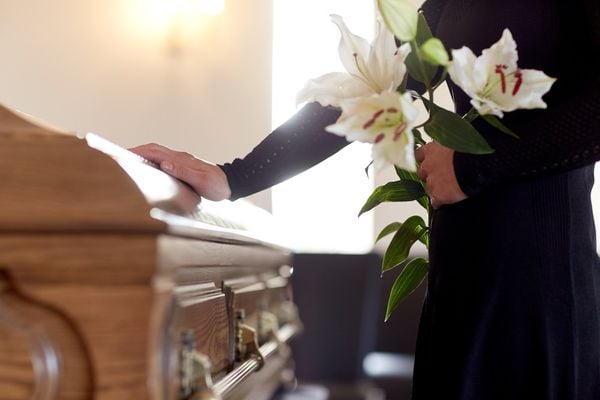
Choosing suitable flowers: some families keep lilies off the altar, because the flower’s Vietnamese name, ly, sounds like the word for parting; many other families do use lilies, for their beauty and scent (see whether lilies may be placed on the family altar). Follow the habit of the family concerned, and favour flowers with a positive meaning, which honour the grandparents and ancestors who have died.
Preparing the offering table: the anniversary meal should be served on new bowls and plates, not the bowls and chopsticks the family uses every day. The altar should also be cleaned thoroughly beforehand and the water in the small offering cups changed, so that the space is perfectly clean and calm before the table is laid. This shows complete respect for the departed members of the family line.
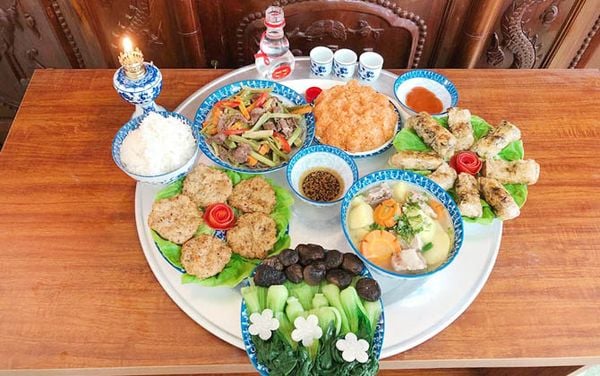
New bowls and plates should be used for the anniversary offerings, not the family’s everyday bowls and chopsticks.
What should a guest bring to a death anniversary?
If you are unsure what kind of gift to take when you are invited to a đám giỗ, here are Flosa’s suggestions:
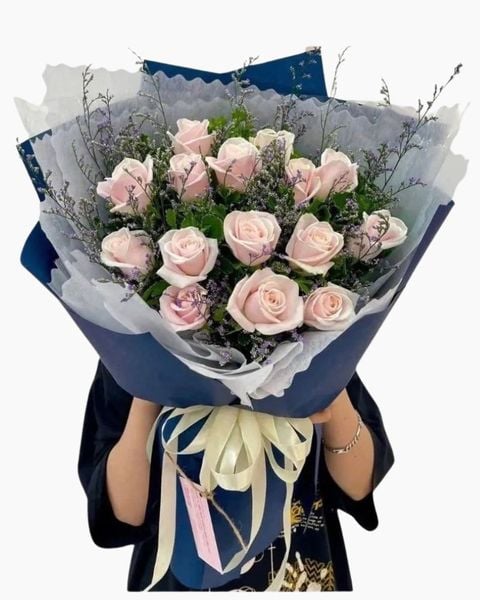
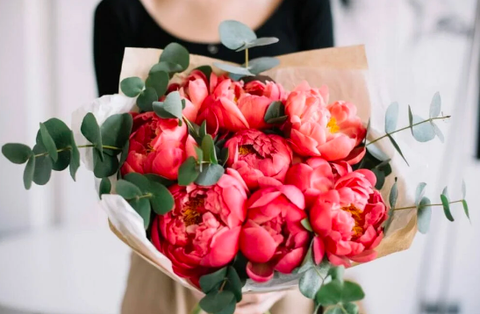
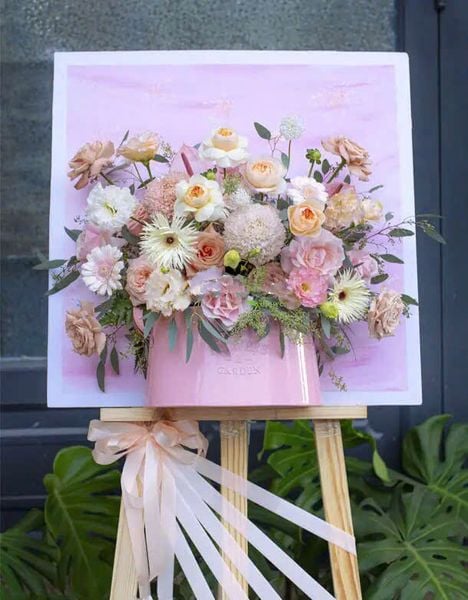
A basket of fresh flowers in remembrance: bringing a basket of flowers and fruit is a fine way to show reverence and gratitude to the person who has died. Flowers are seen as a symbol of freshness and vitality, and they help to create a sacred atmosphere for the offering. Flowers with fruit are popular for anniversaries because the flowers stand for remembrance, while the fruit becomes the dessert after the offering, when relatives sit together and talk.
A fruit basket: fruit has long been a common offering. The gift usually contains a generous variety of good fresh fruit, and readily conveys the sincerity and respect of the person who brings it to be offered on the day.
A basket of cakes and wine: wine and cakes have long been an essential part of the anniversary meal. This gift, too, shows regard and gratitude towards the person who has died.
An envelope: giving an envelope of money as a sign of sincerity is a practical, traditional gesture of affection and care for the family of the deceased.
See also: Get-well flowers and fruit baskets for visiting the sick
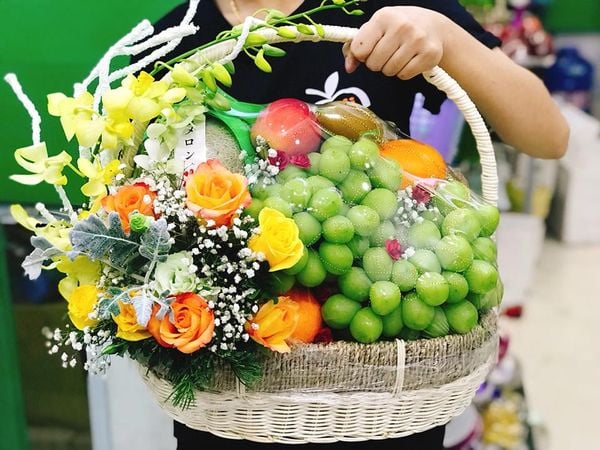
A basket of flowers with fresh fruit is one of the most meaningful and practical gifts to bring to a death anniversary.
Ordering anniversary flowers and fruit baskets from Flosa
Preparing a gift such as fresh flowers or a fruit basket for a death anniversary is the right and proper thing to do. It is the plainest way of showing reverence and gratitude to the person who has died, and it also adds to the dignity of the occasion.
Flosa is a florist you can entrust with this. We are always ready to advise on which flowers and fruit suit a death anniversary, so that your gift is respectful and fresh in a setting as solemn as this one.
Flowers or a fruit basket ordered from Flosa bring quality, and they also carry the sender’s sincere gratitude and respect for those who have died.
The đám giỗ is more than a rite of remembrance; it lies at the heart of Vietnamese culture and of how people here understand their duty to family. We hope that this account of what the day means has given you a clearer view of the country’s traditions, which Vietnamese families hope to keep and hand on to the generations that follow.