








































Flower Care Guide
Fresh flowers not only add color and vitality to a space but also bring spiritual value to the owner. Keeping flowers fresh for a long time is a way to express your affection for the flowers or the person who gave them. Below, Flosa guides you through 7 steps to care for fresh flowers to keep them fresh for as long as possible, along with a table of freshness duration for each type of flower and common mistakes that cause flowers to wilt quickly.
1. Use a clean, moderately wide vase
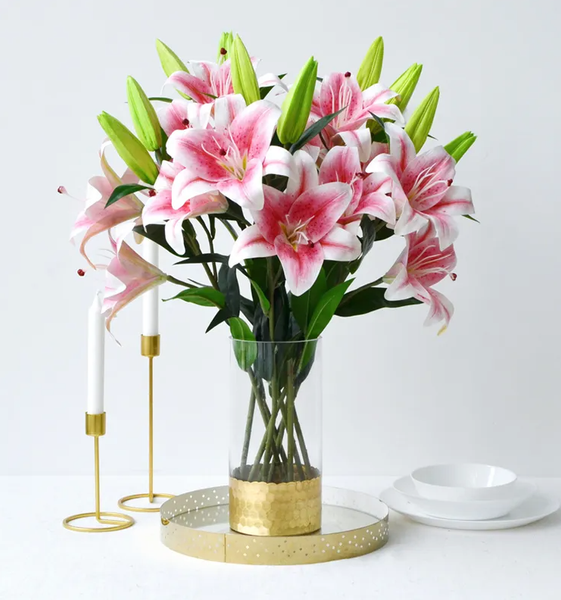
Choose a clean vase to arrange flowers, as this will significantly reduce the amount of bacteria, helping the flowers stay fresh longer. Additionally, pay attention to the width and height of the vase in relation to the type and quantity of flowers you are arranging. Choosing a vase that is too tight will compress the flowers, while a vase that is too wide makes it difficult to shape the flowers as desired.
2. Arrange flowers in warm water
To help flowers absorb water better, you should use water at an ideal temperature of 33°C - 43°C or room temperature. Then, place the vase in a cool place to help the flowers retain moisture. However, bulbous flowers like tulips should be arranged in cold water — see more on how to care for tulips to keep them beautiful and fresh.
3. Trim unnecessary leaves
During the flower cleaning process, you should trim unnecessary leaves because leaves submerged in water rot quickly. This creates conditions for bacteria to proliferate and cause the flowers in the vase to wilt quickly, especially roses.
4. Cut stems at a 45° angle
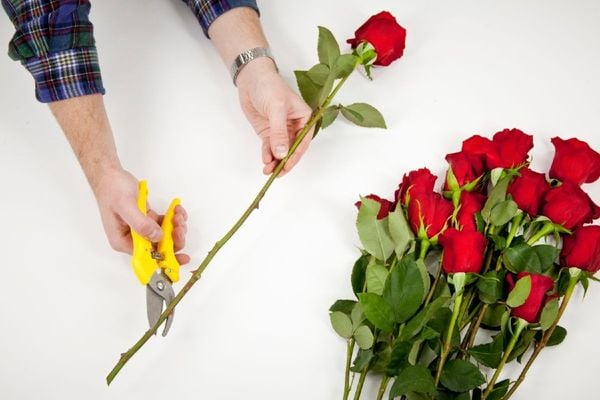
You should use sharp scissors to cut the flower stems at a 45° angle because cutting the stems diagonally helps the flowers absorb water more easily than cutting straight, and the stems do not press against the bottom of the vase. Additionally, you should regularly trim the stems to keep the flowers fresh longer. Different types of flowers require different stem cleaning methods, so you should thoroughly research the type of flower or contact the store directly for advice!
5. Use flower preservatives
Flower preservatives are also known as "flower food." Most preservatives are made from bactericides and prevent bacteria from spreading to other flowers. At our stores, Flosa always prepares nutrient packs to serve customers. Additionally, you can easily make "flower food" with simple ingredients.
- Lemon juice: mix 2 tablespoons of lemon juice into 1 liter of flower water to increase the acidity in the water, helping the flowers stay fresh longer.
- Bleach: mix 1-2 tablespoons of bleach into the flower vase to prevent mold.
- Sugar: mix 1-2 tablespoons of sugar into the flower water to promote photosynthesis, helping the flowers last longer.
6. Remove wilted flowers as soon as possible
This is probably a given in flower care. You should regularly check the freshness of the flowers in the vase so that when you detect wilted flowers, remove them immediately. Leaving wilted flowers in the vase for too long will increase the likelihood of bacteria production in the water and affect the other flowers in the vase.
7. Avoid placing flowers in direct sunlight, high temperatures, and near fruits
When displaying flowers, you should place them in a cool place, avoiding direct sunlight. Additionally, you should not place flowers near electrical appliances like TVs, refrigerators, etc., or items that are hot or cold. Moreover, avoid placing flowers near fruits as the ethylene from the fruits will cause the flowers to wilt quickly.
How long do fresh flowers last in a vase?
The following times are reference data under room conditions of 25 – 28°C, with water changes and stem trimming every 1 – 2 days. Flowers in air-conditioned rooms will last longer, while those placed near sunny windows will not.
| Type of Flower | Freshness Duration | Special Notes |
|---|---|---|
| Roses | 5 – 7 days | Prone to neck droop if the water channel is blocked |
| Chrysanthemums | 7 – 14 days | Most durable among common cut flowers |
| Carnations | 7 – 14 days | Very durable, suitable for long-lasting vase arrangements |
| Lilies | 8 – 12 days | Remove stamens when flowers bloom to prevent pollen stains |
| Tulips | 5 – 7 days | Continue to grow after being arranged, use cold water |
| Sunflowers | 6 – 10 days | Stems absorb a lot of water, need frequent refilling |
| Hydrangeas | 4 – 7 days | Wilt very quickly if lacking water |
If you want the flowers to reach the recipient in the freshest condition, consider Flosa's flower delivery service.
5 common mistakes that cause flowers to wilt quickly
- Leaving leaves submerged in water. Rotting leaves are the largest source of bacteria in the vase, blocking the water channels of the entire bouquet.
- Using dull scissors or dirty knives. Crushed cuts block the water path to the bloom and introduce bacteria directly into the flower stem.
- Only adding water instead of changing it. Old water is cloudy and full of bacteria; adding more does not clean the vase.
- Placing the vase next to a fruit basket or under an air conditioner draft. Ripe fruits emit ethylene gas that makes flowers wilt quickly, while direct drafts cause petals to lose moisture.
- Arranging too many flowers in a tight vase. Stems compress each other, water is insufficient for all, and cuts are blocked at the bottom of the vase.
Frequently Asked Questions
How long do fresh flowers last in a vase?
Depending on the type of flower: roses 5 – 7 days, chrysanthemums and carnations 7 – 14 days, lilies 8 – 12 days. If kept in a cool room, with water changes every 1 – 2 days and stems trimmed each time, flowers will last longer than the above durations.
How often should flower water be changed?
Every 1 – 2 days. Each time you change the water, clean the vase and trim the flower stems by about 1 – 2 cm, as the old stem ends have been blocked by bacteria and absorb water poorly.
Should flowers be arranged in warm or cold water?
Most flowers absorb water better in warm water around 33 – 43°C. However, bulbous flowers like tulips or daffodils should be arranged in cold water.
Is it advisable to add sugar to flower water?
Sugar provides energy for flowers but also feeds bacteria, so it should only be used with a bactericide like a few drops of bleach or lemon juice. The simplest and most reliable option is to use a specialized flower nutrient pack.
Why do roses droop even when still fresh?
Air bubbles or bacteria block the water channels right below the bud, preventing water from reaching the bloom. Cut the stem again at a 45° angle while submerged in water, remove all submerged leaves, and replace with clean water.
Does adding an aspirin tablet to the vase help flowers stay fresh longer?
This is a folk remedy with inconsistent effectiveness and depends greatly on the type of flower. A specialized flower nutrient pack provides more reliable results.
Ensure you follow the tips for preserving fresh flowers to maintain their beauty for as long as possible. For flowers with special care requirements, you should research before using tips to care for them correctly and accurately.